









What Does Kava Do? Effects, Benefits & What to Expect
TL;DR: Kava is a root from the South Pacific that produces a calming, socially-enhancing buzz — talkative, relaxed, and slightly euphoric — without the impairment, hangover, or health damage of alcohol. Effects kick in within 20-30 minutes and last 2-3 hours. Dry Shot's proprietary powder technology delivers the full kava experience with zero muddy taste.
People have been asking what does kava do for over 3,000 years. The answer hasn't changed much — kava makes you feel good. Calm, social, relaxed, and present. What has changed is the delivery. You no longer need to choke down muddy-tasting root sludge to get the effect. But let's start with what kava actually does to your body and mind.
Whether you're kava-curious, cutting back on alcohol, or just wondering what the buzz is about (literally), here's the honest, no-BS breakdown of what kava does, how it feels, and what to expect.
What Does Kava Do? The Short Answer
Kava produces a calming, socially-enhancing effect. You feel relaxed but alert — talkative, confident, and at ease. It's often described as "alcohol's greatest hits without the hangover." The active compounds, called kavalactones, interact with your brain's GABA receptors (the same calming pathway alcohol targets) but without the loss of coordination, slurred speech, or next-day misery.
The kava effect is real and noticeable. You don't have to wonder if it's working — within 20 to 30 minutes, you'll feel it. Most people report:
- A warm, relaxed sensation throughout the body
- Increased sociability and talkativeness
- Mild euphoria and elevated mood
- Reduced anxiety and stress
- Mental clarity (unlike alcohol's brain fog)
- No loss of motor control or judgment
What Does Kava Feel Like? The Experience
The kava experience is hard to compare to anything else because it hits a unique sweet spot. It's not a stimulant — you won't feel jittery or wired. It's not a sedative — you won't feel knocked out or sluggish. It's somewhere in between: energized calm.
Think of that feeling two drinks into a good night — you're loosened up, conversation is flowing, you're enjoying yourself — but you're completely clear-headed. That's kava. The difference is there's no slope downward. You don't keep getting more impaired with each drink. The effect plateaus at a pleasant, functional buzz.
Regular kava drinkers often describe it as "the best parts of alcohol without the worst parts." You get the social lubrication, the mood lift, and the relaxation. You skip the slurred speech, the bad decisions, the hangover, and the calories.
How Long Does Kava Take to Work?
Kava typically takes effect within 20 to 30 minutes on an empty stomach, and up to 45 minutes after a meal. The onset is gradual — you'll notice a subtle shift in mood and physical relaxation before the full effect builds. Peak effects hit around the 45-minute mark and last 2 to 3 hours, with a gentle, clean comedown.
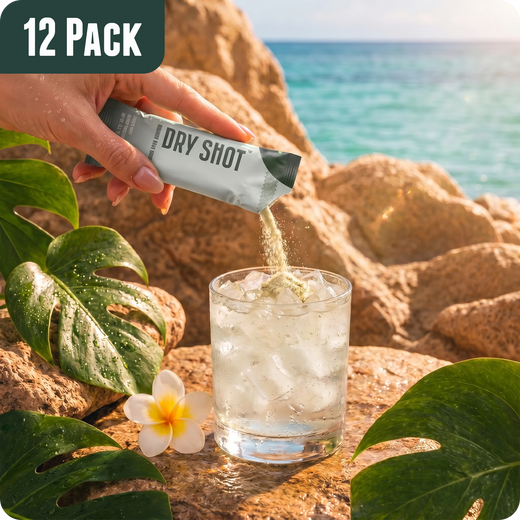
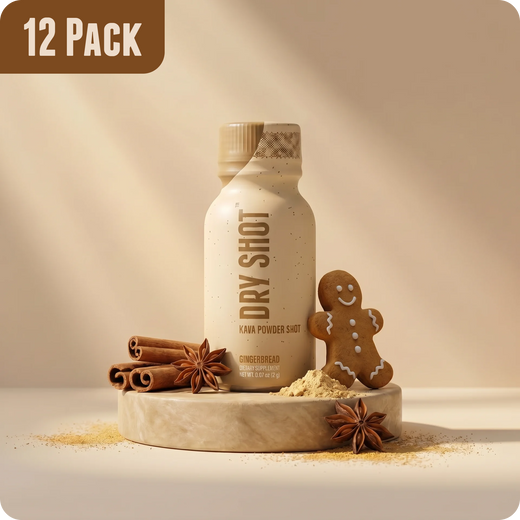
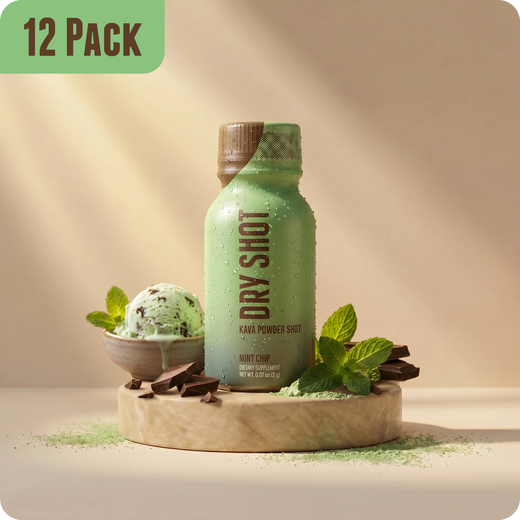
Dry Shot's instant powder format is engineered for faster absorption. Because the kavalactones are already dissolved and bioavailable, many users report feeling effects in as little as 15 minutes.
What Are the Benefits of Kava?
Kava's benefits go beyond the immediate buzz. Research and centuries of traditional use point to several well-documented effects:
- Stress and anxiety relief: Kava is one of the most studied natural anxiolytics. Clinical trials show significant reduction in generalized anxiety, often comparable to prescription medications but without the side effects.
- Social enhancement: Unlike alcohol, which can make you sloppy-social, kava makes you genuinely more present and engaged in conversation. It's why kava bars are replacing bars in cities across the country.
- Sleep support: A milder kava session in the evening can promote deep, restful sleep without the disruption alcohol causes to sleep architecture.
- Muscle relaxation: The kavalactones in kava have mild muscle-relaxing properties, which can ease physical tension after a long day.
- Mood elevation: Regular kava consumers report improved baseline mood and reduced rumination.
- No hangover: Perhaps the most celebrated benefit — wake up clear-headed every time.
Kava vs Alcohol: What's the Difference?
This is the comparison most people care about. Here's the honest breakdown:
| Effect | Kava | Alcohol |
|---|---|---|
| Onset | 20-30 minutes | 10-20 minutes |
| Duration | 2-3 hours | 1-3 hours per drink |
| Feeling | Calm, social, clear-headed | Relaxed, then impaired |
| Motor impairment | None | Significant |
| Hangover | None | Yes |
| Calories | Very low | High (7 cal/g) |
| Addiction risk | Very low | High |
| Liver toxicity | Minimal (when used responsibly) | Significant |
The key difference: alcohol progressively impairs you with each drink. Kava plateaus. You reach a pleasant, functional state and stay there. There's no "one too many" cliff to fall off. That's why kava is becoming the go-to for people who want the social ritual and the buzz without the consequences.
For a deeper dive, check out our full comparison: Kava vs Alcohol: Which Is Better for Social Drinking?
Does Kava Get You High?
Kava does not get you "high" in the way THC or other psychoactive substances do. There's no altered perception, no hallucination, no loss of reality. The effect is more like a strong cup of chamomile tea crossed with the social looseness of a beer — a grounded, clear-headed buzz. You remain fully in control. If you're looking for the THC ban alternatives as we approach November 2026, kava offers a social experience without the cognitive distortion.
Is Kava Safe?
Kava has been consumed safely in the South Pacific for over 3,000 years. In December 2025, the U.S. classified kava as GRAS (Generally Recognized as Safe). The World Health Organization has acknowledged that traditional kava use poses minimal health risks. The key safety considerations:
- Use noble kava varieties only (Dry Shot uses exclusively noble kava)
- Avoid combining with alcohol or prescription medications without consulting a doctor
- Take breaks — daily heavy consumption over months is not recommended
- Pregnant or nursing women should avoid kava
For most healthy adults, moderate kava consumption is safe, non-addictive, and well-tolerated.
Why Dry Shot Kava Is Different
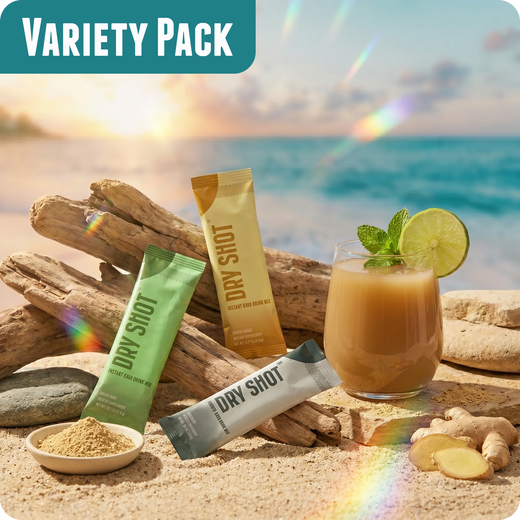
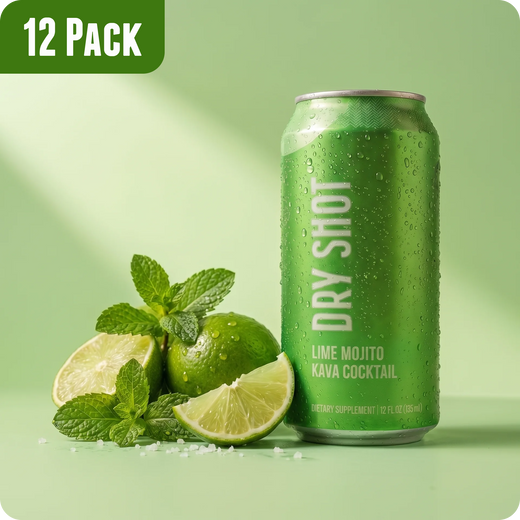
Traditional kava has one massive drawback: it tastes like mud. Earthy, bitter, gritty. It's the #1 reason people try kava once and never go back. Dry Shot solved this problem with a proprietary powder technology that blocks the muddy taste entirely while preserving the full kavalactone profile.
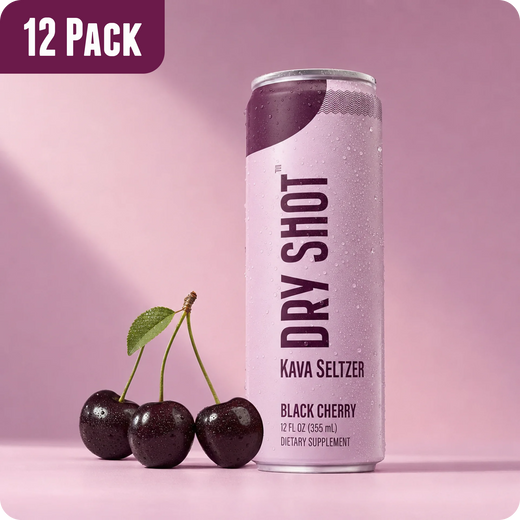
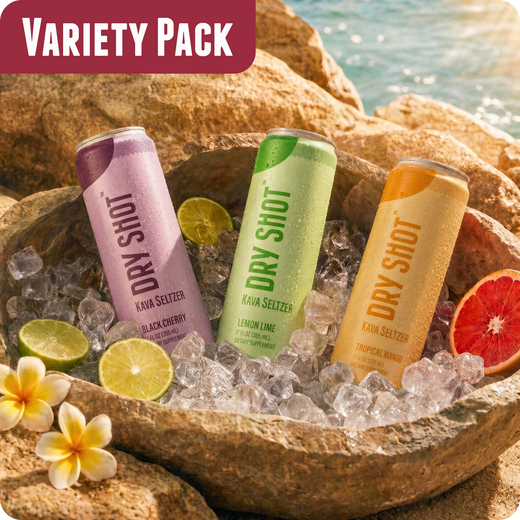
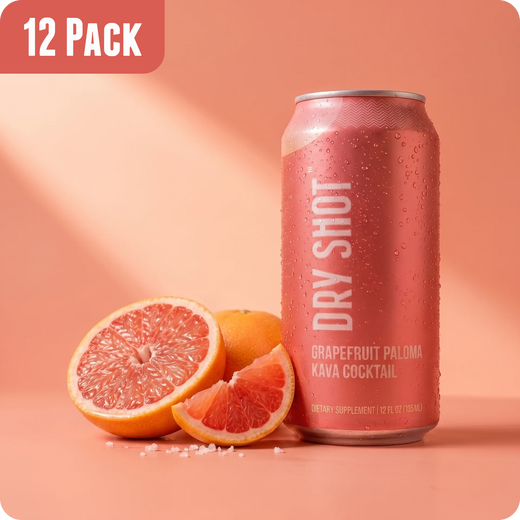
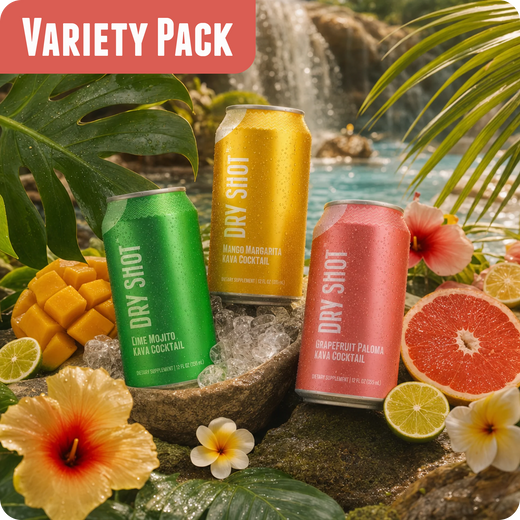
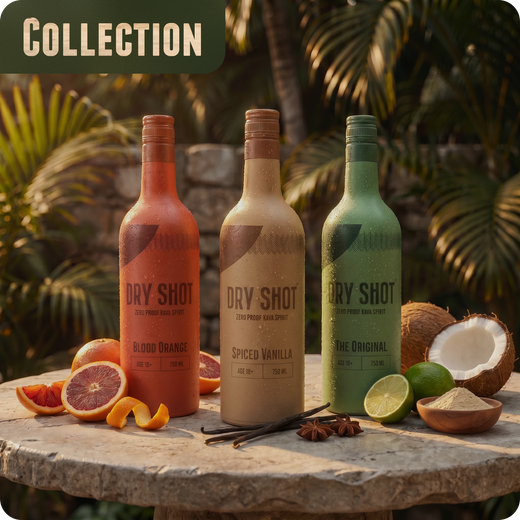
The result? You get the complete kava experience — the calm, the buzz, the social ease — in flavors that actually taste good. No choking it down. No holding your nose. Just a great-tasting drink that makes you feel great. Explore the full collection here.
Frequently Asked Questions
What does kava do to your body? Kava interacts with GABA receptors in your brain, producing muscle relaxation, stress relief, and a calming effect. Your body feels warm and relaxed, while your mind stays clear and alert. Physical effects include mild muscle relaxation and a sense of physical ease without drowsiness.
How long do kava effects last? Kava effects typically last 2 to 3 hours from a single serving. The onset begins within 20-30 minutes, peaks around 45 minutes, and gradually fades with a clean, clear-headed comedown. No crash, no hangover.
Does kava make you sleepy? Kava is relaxing but not a sedative at normal doses. You feel calm and at ease, but you won't pass out. In higher doses or in the evening, some people find it supports restful sleep, but during the day it promotes a clear-headed, social calm.
Can you drive after drinking kava? Kava does not impair motor function or judgment like alcohol does. However, everyone responds differently. Start with a small amount to understand your reaction before driving, and never mix kava with alcohol before driving.
Is kava addictive? No. Kava is not physically addictive. It does not create dependency or withdrawal symptoms. Studies show kava has very low abuse potential compared to alcohol, nicotine, or THC. Many people use it specifically to reduce their reliance on alcohol.
What's the difference between kava and kratom? Kava and kratom are completely different plants with different effects. Kava (Piper methysticum) produces a calming, social buzz. Kratom (Mitragyna speciosa) acts on opioid receptors and has stimulant and pain-relieving properties. They are not related and have different safety profiles. Dry Shot sells only kava.
The Bottom Line
Kava does what most people wish alcohol did: it gives you a real, noticeable buzz that makes you more social and relaxed, without the impairment, hangover, or health damage. The effects are genuine — this isn't flavored water. Within 30 minutes, you'll feel calmer, more talkative, and at ease. And with Dry Shot's taste-blocking technology, you don't have to suffer through the mud to get there.
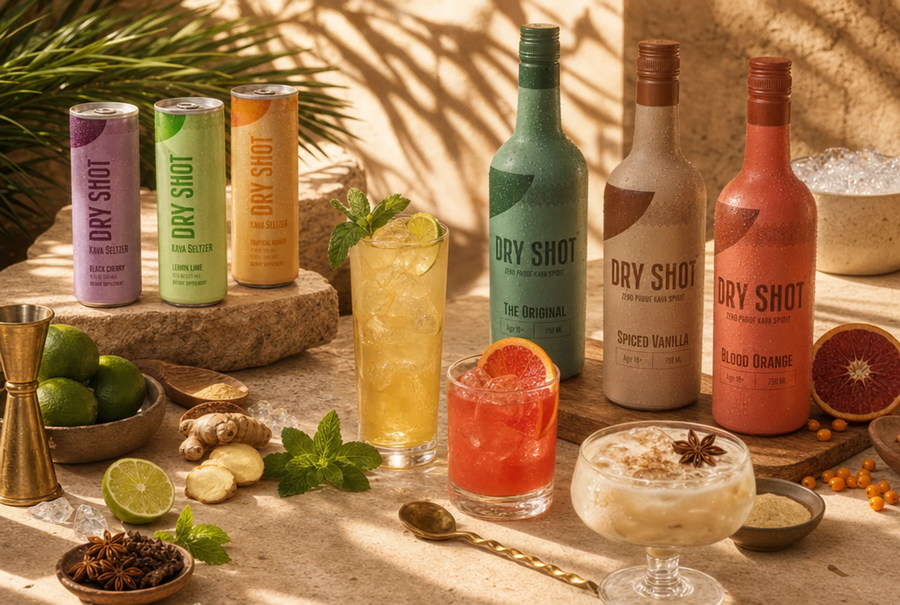
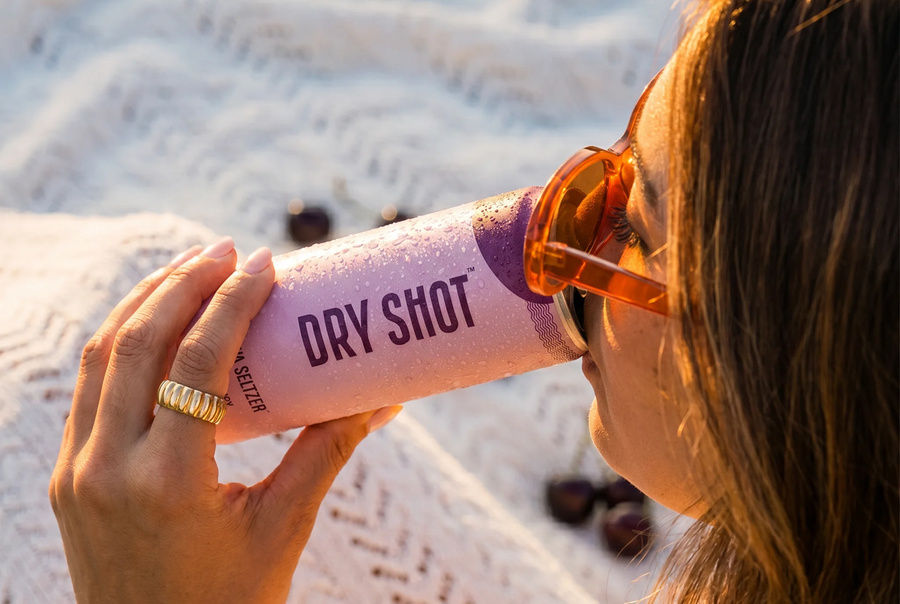
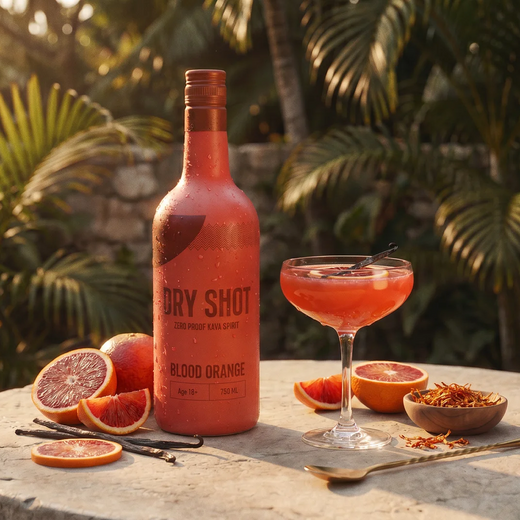
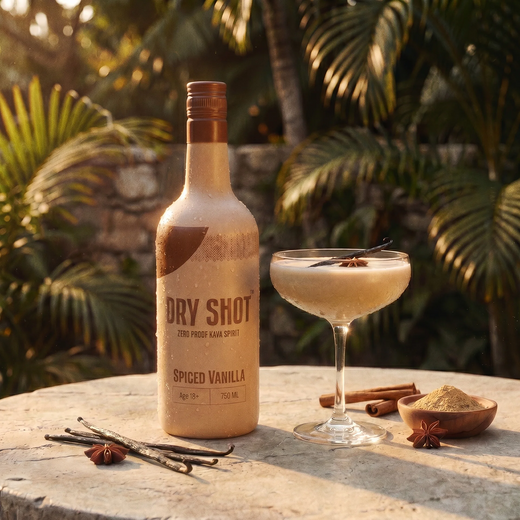
Ready to feel it for yourself? Shop Dry Shot's kava drinks — instant powders, seltzers, and ready-to-drink cocktails, all with zero muddy taste. Or learn more in our Kava 101 guide.
Sources
- World Health Organization. "Assessment of the risk of human health associated with kava." WHO, 2024.
- Singh, Y.N. "Kava: an overview." Journal of Ethnopharmacology, 1992.
- Sarris, J. et al. "Kava for the treatment of generalized anxiety disorder: a randomized controlled trial." Journal of Clinical Psychopharmacology, 2013.
- U.S. FDA. "Kava classified as GRAS (Generally Recognized as Safe)." December 2025.
- Pittler, M.H. & Ernst, E. "Kava extract for treating anxiety." Cochrane Database of Systematic Reviews, 2003.
Dry Shot products are not intended to diagnose, treat, cure, or prevent any disease.
Keep Reading
- What Is Kava? The Complete Guide to Kava Drinks & Effects
- What Is a Kava Drink? Everything You Need to Know
- Kava vs Alcohol: What Actually Happens When You Make the Change
- Why Does Traditional Kava Taste Like Mud — And How to Fix It
- Best Kava Drink: What to Look For and Which Ones Actually Deliver
- Where Can I Buy a Kava Drink? Your Complete Guide to Finding Good Kava
- Does Kava Give You a Hangover? The Honest Answer
- Kava vs. Ashwagandha: Effects, Onset, and Which One You Actually Need
- Is Kava Safe? What the Research Actually Says
- Kava Benefits: What Science Says About Kava's Effects
- Kava Side Effects: What to Watch For and How to Drink Safely
- What Does Kava Feel Like? The Actual Experience Start to Finish
- Kava Seltzer: What It Is and How It Works
- Kava Shot: What It Is and Where to Get the Good Ones
- Sober Curious? Kava Drinks Are the Social Buzz Without the Alcohol
- What Bartenders Need To Know About Kava
- Shop All Kava Drinks