





















Is Kava Safe? What the Research Actually Says
TL;DR: Kava has been consumed safely in the South Pacific for thousands of years, but modern research highlights rare but serious liver toxicity risks in certain populations. The NIH notes that kava may help with anxiety but carries real risks—especially when combined with alcohol or medications. Most healthy adults who use water-based kava preparations in moderate amounts tolerate it well, but it is not for everyone.
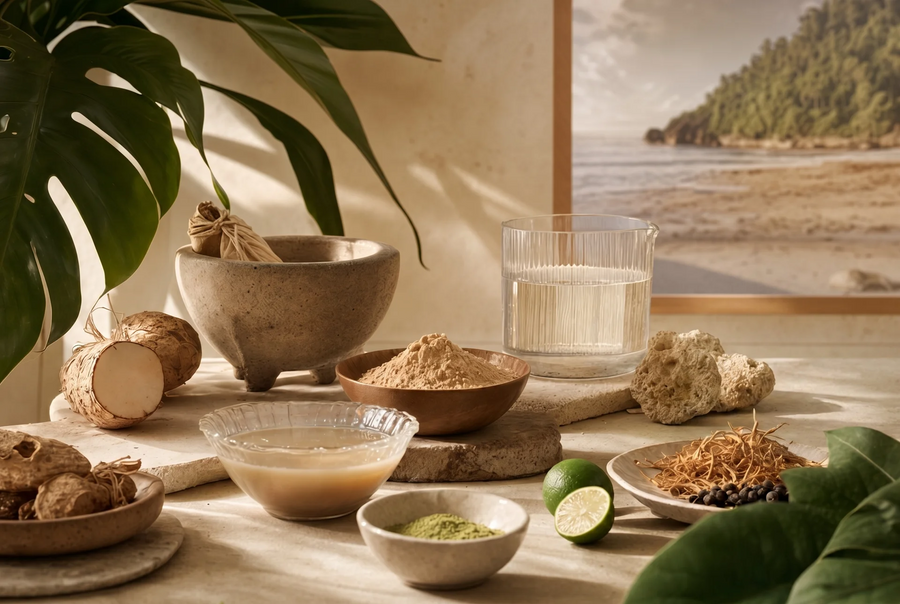
On June 22, 2026, the National Center for Complementary and Integrative Health (NCCIH)—a branch of the U.S. National Institutes of Health—updated its guidance on kava, confirming that while kava supplements may reduce anxiety, the plant carries documented risks of liver injury in rare cases. The update reflects decades of research into Piper methysticum, the pepper-family shrub whose root has been brewed into ceremonial beverages across the South Pacific for over 3,000 years.
The question of whether kava is safe does not have a simple yes-or-no answer. It depends on how the kava is prepared, how much you consume, your genetics, and what other substances or medications you are taking. Here is what the research actually says.
The Liver Toxicity Question
The most serious safety concern with kava is hepatotoxicity—liver damage. In the early 2000s, more than 100 cases of liver toxicity related to kava use were identified across Europe and the United States, according to UCLA Health. Some cases required liver transplants, and some were fatal. This led several countries, including Germany and the United Kingdom, to ban or restrict kava products.
However, the picture is more nuanced than the headlines suggest. The NCCIH notes that the first cases of liver injury involved alcohol- or acetone-extracted kava supplements—not traditional water-based preparations. Later cases did involve water-based beverages, but researchers have identified several contributing factors:
- Use of undesirable kava cultivars (over 200 varieties exist, with varying safety profiles)
- Inappropriate plant parts (stems and leaves contain higher levels of toxic compounds)
- Consumption alongside alcohol, which compounds liver stress
- Adulteration or contamination of commercial products
- Genetic differences in kava-metabolizing enzymes
- Large amounts or prolonged use
A key genetic factor: according to Dr. Robert Ashley, MD, an internist at UCLA Health, 99% of Pacific Islanders have sufficient CYP2D6 enzyme to metabolize kava, compared to only 79–88% of Caucasian populations. This means a significant percentage of people of European descent may lack the enzyme needed to process kava efficiently, increasing their risk of adverse effects.
What the Clinical Trials Show
A 2003 meta-analysis reviewed 11 randomized controlled trials of kava for anxiety, encompassing 645 patients. Ten of the eleven studies showed a decrease in anxiety compared with placebo, with effects comparable to benzodiazepines like Valium and Ativan. Side effects were mild: nausea, stomach aches, drowsiness, and headaches. No liver toxicity was reported—though notably, no liver function tests were performed in these trials.
A 2019 study published in the Australian and New Zealand Journal of Psychiatry compared kava with placebo for generalized anxiety disorder in 171 patients over 16 weeks. Kava showed a mild benefit, but the effect was not statistically significant. More concerning: participants who took kava showed diminished memory and more liver function test abnormalities than those on placebo.
The NCCIH concludes that kava may be helpful for anxiety but "does not appear helpful for generalized anxiety disorder" specifically. There is insufficient evidence for any other condition.
Known Side Effects
Short-term side effects of kava, as documented by NCCIH and Cleveland Clinic, include:
- Digestive upset (nausea, stomach ache, indigestion)
- Headache and dizziness
- Drowsiness
- Slower reaction time and impaired motor skills
- Loss of appetite
Long-term, high-dose use can cause kava dermopathy: dry, scaly, flaky skin; reddened eyes; and temporary yellow discoloration of skin, hair, and nails. The World Health Organization notes these effects typically reverse after stopping kava.
Who Should Not Drink Kava
Cleveland Clinic physician Dr. Matthew Goldman identifies several groups who should avoid kava or consult a healthcare provider first:
- People with liver disease or a history of liver problems
- People taking benzodiazepines, barbiturates, or other sedatives
- People on Parkinson's medication (kava inhibits dopamine reuptake)
- People with depression taking antidepressants
- Pregnant or breastfeeding women (NCCIH warns of harmful pyrone constituents)
- People with kidney disease or blood disorders
Kava should never be combined with alcohol. The combination increases both cognitive impairment and the risk of liver toxicity.
How to Minimize Risk
If you choose to drink kava, the research points to several harm-reduction strategies:
- Use water-based preparations. Traditional water extraction appears safer than alcohol- or acetone-based extracts.
- Stick to noble kava varieties. "Noble" kava cultivars have been used safely for centuries; "tudei" (two-day) kava is considered inferior and potentially riskier.
- Use only the root. Leaves and stems contain higher concentrations of potentially toxic compounds.
- Keep doses moderate. Dr. Ashley recommends staying under 240 mg of kavalactones per day.
- Avoid daily long-term use. Give your body breaks, and get liver enzyme tests if you use kava regularly.
- Do not mix with alcohol, medications, or other sedatives.
What This Means for Kava Drinkers
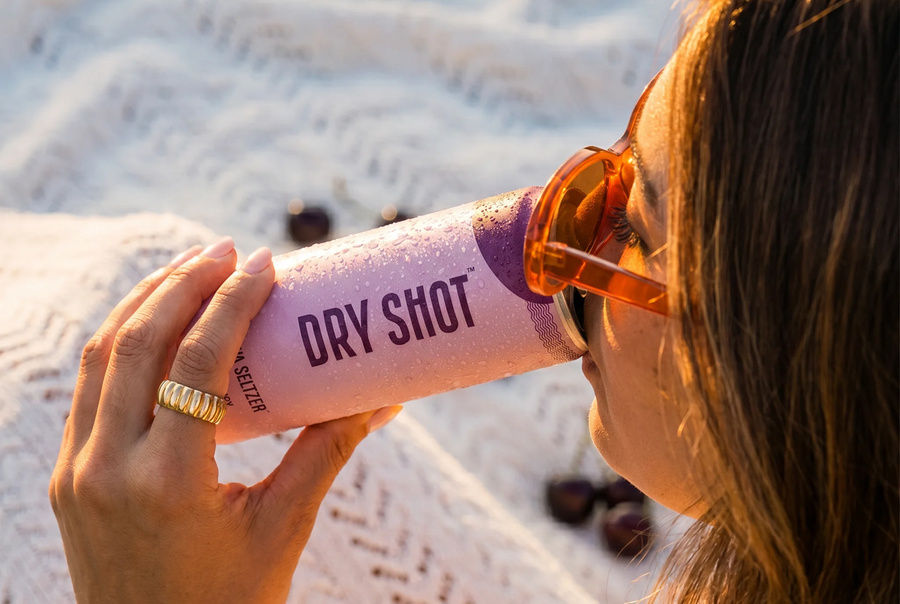
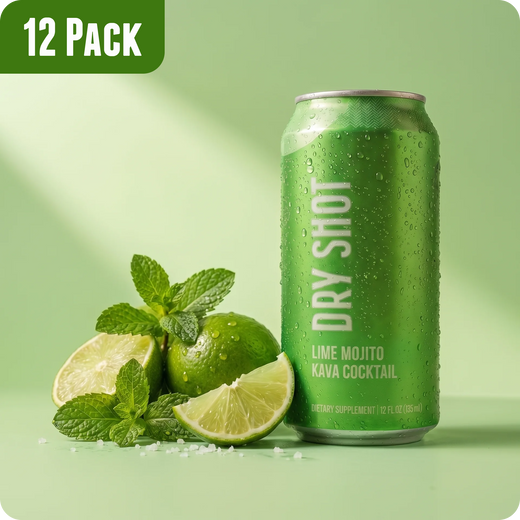
Kava is not inherently dangerous for most healthy adults when consumed in moderate amounts using traditional water-based preparations. The serious liver toxicity cases that made headlines were largely tied to pharmaceutical-grade extracts, poor-quality raw materials, and combinations with alcohol or other substances. That said, kava is not risk-free. If you have liver issues, take medications, or are pregnant, kava is not for you. If you are otherwise healthy and choose to try kava, stick to reputable sources—like Dry Shot's lab-tested kava drinks—and listen to your body.
For more context on how kava works and what it does, see our guides on what kava is and what kava does. If you are weighing kava against alcohol specifically, our kava vs alcohol comparison breaks down the differences.