







Kava Seltzer: What It Is and How It Works
TL;DR: Kava seltzer is sparkling water infused with kava extract — the same Pacific Island root that's been used socially for centuries. It delivers a calm, social buzz without alcohol, without caffeine, and without the muddy taste traditional kava is known for. The best ones use Noble kava, list their kavalactone content, and don't taste like dirt.
Kava seltzer is the fastest-growing category in the alcohol-alternative space, and for good reason. You get the social buzz of kava in a format that's actually pleasant to drink — cold, carbonated, flavored. No brewing, no straining, no earthy sludge.
But not every kava seltzer is built the same. Some use cheap kava extracts that barely register. Others load up with sugar to mask low-quality root. Here's what matters and what to look for.
What Is Kava Seltzer?
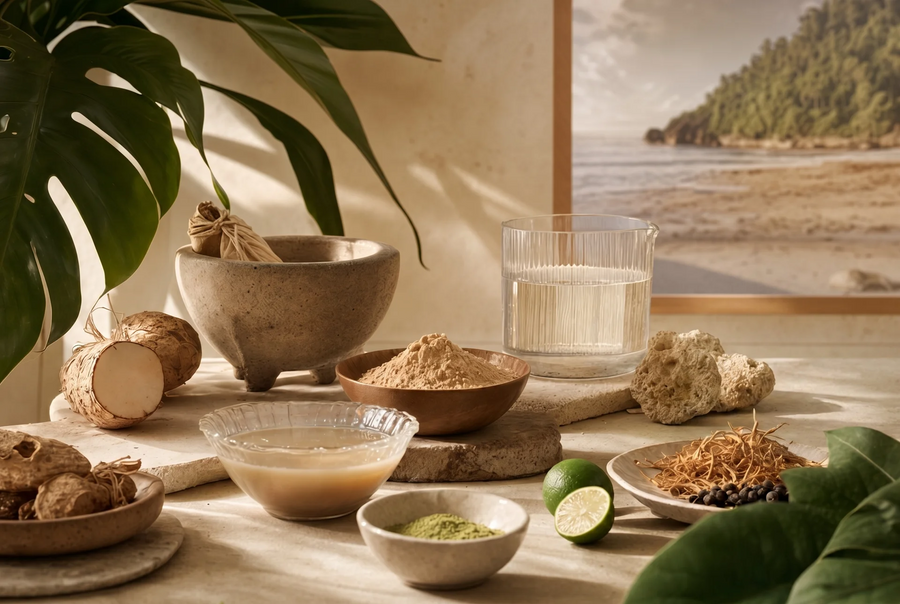
Kava seltzer is sparkling water infused with kava root extract. Kava (Piper methysticum) is a plant native to the South Pacific, where it's been consumed socially for over 3,000 years. The active compounds are kavalactones, which interact with your brain's relaxation pathways to produce a calm, sociable feeling — without impairing cognition the way alcohol does.
A kava seltzer takes that extract and puts it into a carbonated beverage. The result is a drink that feels like a social drink — cold, crisp, something you crack open — but with zero alcohol, zero caffeine, and zero hangover the next morning.
How Kava Seltzer Compares to Other Kava Drinks
There are four main ways to drink kava. Each has tradeoffs:
- Traditional kava tea: Ground root steeped in water. The original, but it tastes like mud. The earthy, peppery flavor is an acquired taste that most people never acquire.
- Kava seltzer: Sparkling water with kava extract. Cold, carbonated, flavored. The most approachable format for people who want the effect without the ritual.
- Kava cocktails (RTD): Ready-to-drink canned cocktails that combine kava with cocktail flavors like paloma or margarita. Closer to a mocktail experience.
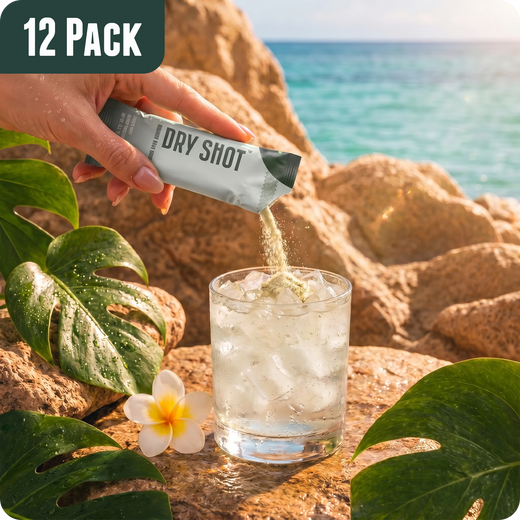
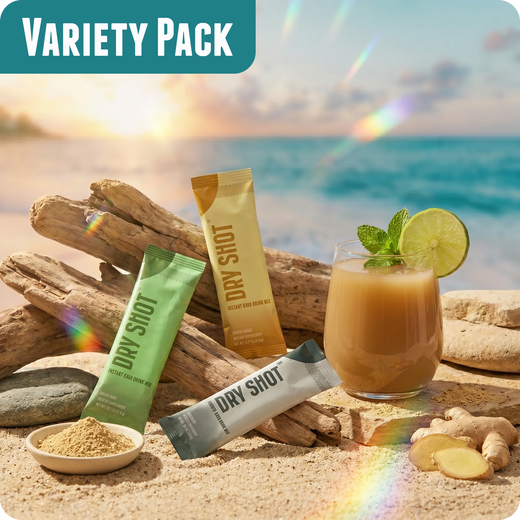
- Kava powder shots: Instant powder you mix into water. Portable, cheaper per serving, but you're doing the mixing yourself.
Kava seltzer wins on convenience and drinkability. You crack the can and you're done. No prep, no mess, no acquired taste required.
What to Look For in a Kava Seltzer
Three things separate a good kava seltzer from a marketing gimmick:
- Noble kava only. Noble kava varieties are the traditional, safe cultivars used in Pacific Island culture. Some brands use "tudei" (two-day) kava, which is cheaper but can cause nausea and a heavy, unpleasant effect that lingers. If a brand doesn't specify Noble, ask why.
- Stated kavalactone content. Kavalactones are the active compounds. If a brand doesn't tell you how much is in the can, you're guessing. Look for brands that list their kavalactone milligrams or at least specify the kava extract amount.
- No sugar overload. Some brands mask low-quality kava with heavy sweetening. A good kava seltzer should have minimal sugar and still taste good — that means the kava extract itself is clean enough to drink without burying it under syrup.
The Muddy Taste Problem — and Why Seltzer Solves It
Traditional kava tastes like dirt. That's not a dig — it's the most common reason people try kava once and never go back. The earthy, peppery, bitter flavor comes from the kavalactones and the plant matter in traditionally prepared root.
Kava seltzer solves this by using extracted kava — the active compounds are pulled from the root and added to the beverage, leaving the plant matter behind. The carbonation and flavoring do the rest. You get the effect without the mud.
Dry Shot takes this a step further with a proprietary powder extraction process that removes the bitter compounds before they ever reach the can. The result is a seltzer that tastes like a seltzer, not like a science experiment.
Kava Seltzer vs Other Alcohol Alternatives
| Option | Buzz? | Hangover? | Calories | Sugar |
|---|---|---|---|---|
| Kava seltzer | Calm, social | No | ~15-40 | 0-5g |
| Non-alcoholic beer | No | No | 60-100 | 0-10g |
| THC beverages | High | Can groggy | Varies | Varies |
| Mocktails (no kava) | No | No | 80-200 | 20-40g |
| Alcohol | Drunk | Yes | 100+ | 0-15g |
The key difference: kava seltzer is one of the few alcohol alternatives that actually gives you a buzz. Non-alcoholic beer and mocktails are fine for the ritual, but they don't replace the feeling. Kava does.
Where to Buy Kava Seltzer
Kava seltzers are available online and increasingly in retail. The most reliable way to get them is direct from the brand — you know exactly what you're getting, and most brands offer free shipping on orders over a certain threshold.
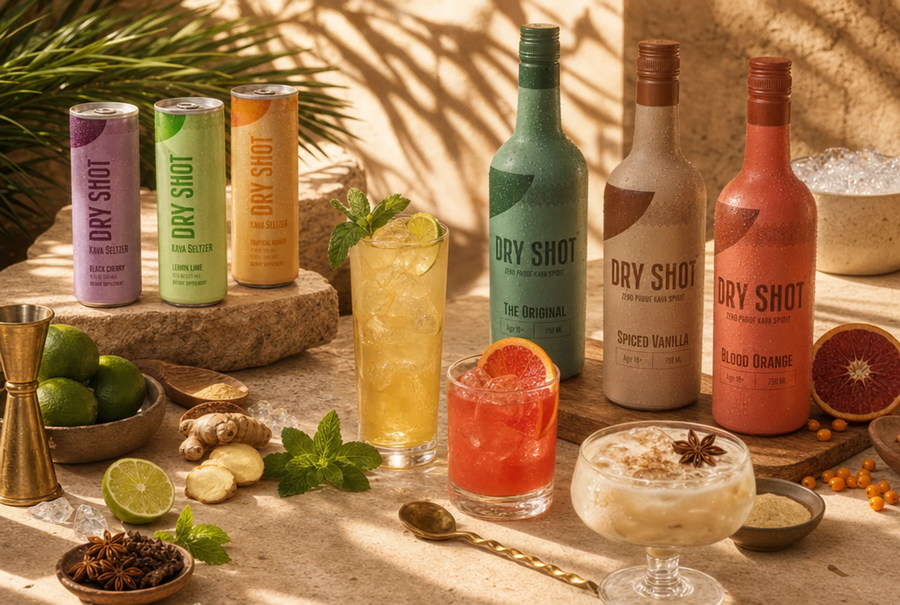
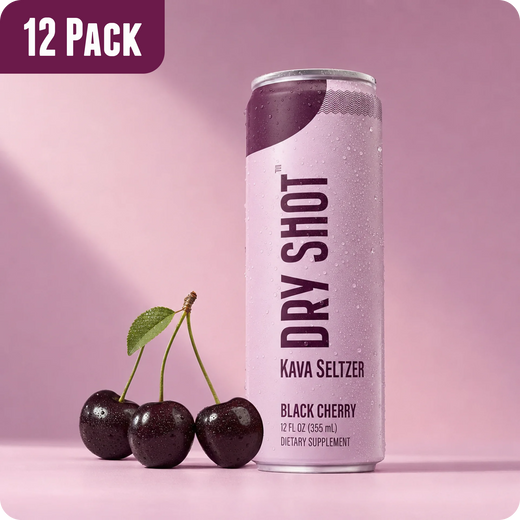
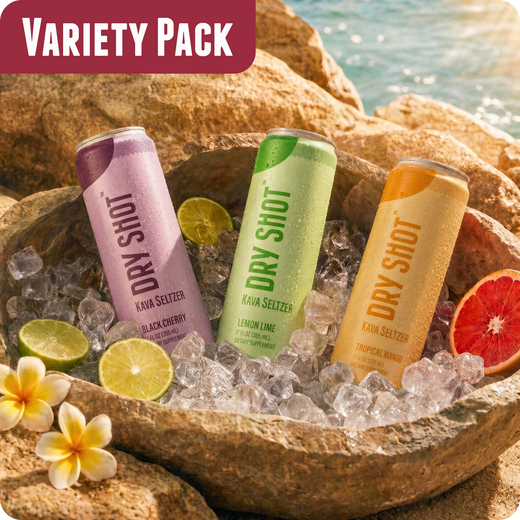
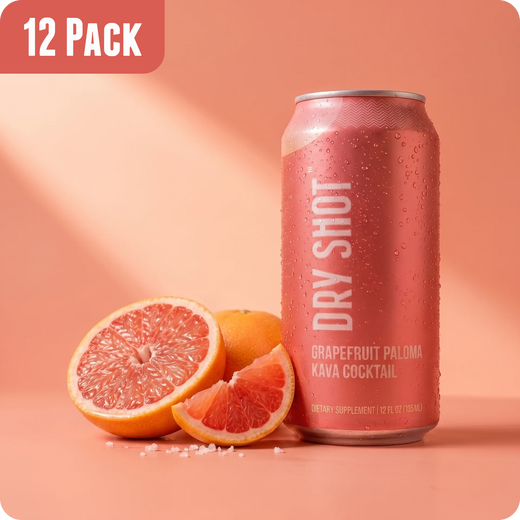
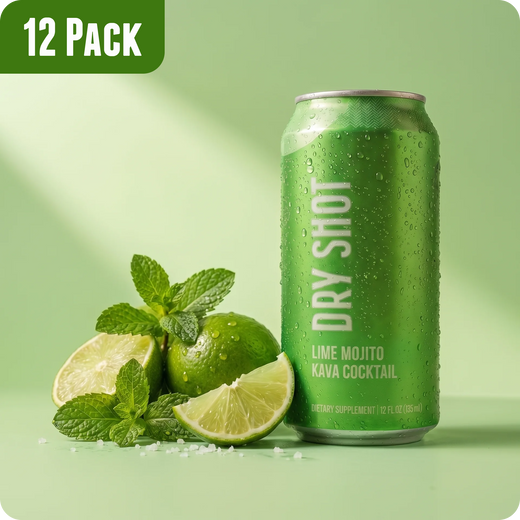
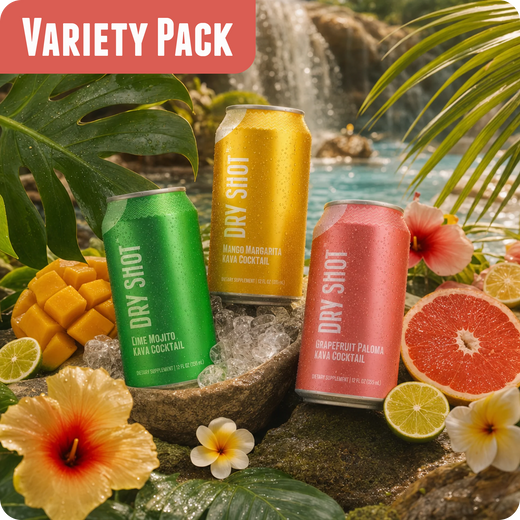
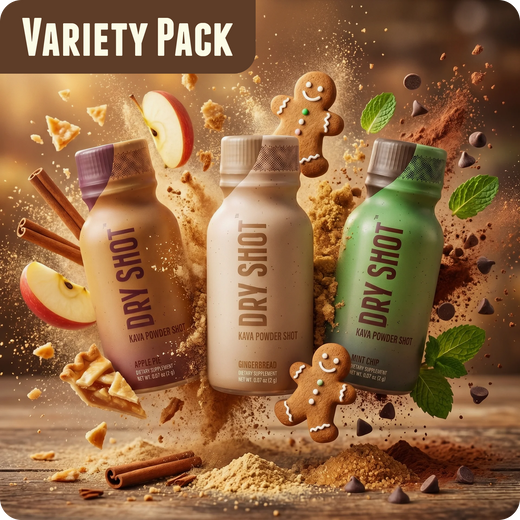
Dry Shot's kava seltzers come in Black Cherry, Lemon Lime, Tropical Mango, and a variety pack. You can browse the full lineup at the shop-all page.
FAQ
Will kava seltzer get me high? No. Kava produces a calm, social relaxation — not a high. You'll feel relaxed and more sociable, but you stay clear-headed. It's closer to the feeling of a glass or two of wine without the cognitive impairment.
How long does the effect last? Typically 1-3 hours depending on your body weight, metabolism, and how much you drink. The onset is usually 15-30 minutes.
Is kava seltzer safe? Noble kava, consumed in normal beverage amounts, has a strong safety record. The FDA has not raised safety concerns about kava seltzers. As with any supplement, consult your doctor if you have liver conditions or take medications that may interact.
Can I drink kava seltzer every day? Many people do. Traditional Pacific Island cultures consume kava daily. If you're drinking reasonable amounts (1-3 cans), daily consumption is generally fine. Take a break if you notice any stomach upset.
Does kava seltzer have caffeine? No. Kava is caffeine-free. The buzz comes from kavalactones, not stimulants.
Sources
- World Health Organization. Assessment of the risk of kava consumption. 2003.
- Lebot, V., Merlin, M., Lindstrom, L. Kava: The Pacific Elixir. Yale University Press, 1997.
- National Center for Complementary and Integrative Health. Kava. NIH.
- Singh, Y.N. Kava: An Overview. Journal of Ethnopharmacology, 1992.
Keep Reading
- What Is Kava? The Complete Guide to Kava Drinks & Effects
- What Does Kava Do? Effects, Benefits & What to Expect
- What Is a Kava Drink? Everything You Need to Know
- Kava vs Alcohol: What Actually Happens When You Make the Change
- Why Does Traditional Kava Taste Like Mud — And How to Fix It
- Best Kava Drink: What to Look For and Which Ones Actually Deliver
- Where Can I Buy a Kava Drink? Your Complete Guide to Finding Good Kava
- Does Kava Give You a Hangover? The Honest Answer
- Kava vs. Ashwagandha: Effects, Onset, and Which One You Actually Need
- Is Kava Safe? What the Research Actually Says
- Kava Benefits: What Science Says About Kava's Effects
- Kava Side Effects: What to Watch For and How to Drink Safely
- What Does Kava Feel Like? The Actual Experience Start to Finish
- Kava Shot: What It Is and Where to Get the Good Ones
- Sober Curious? Kava Drinks Are the Social Buzz Without the Alcohol
- What Bartenders Need To Know About Kava
- Shop All Kava Drinks