




















Kava Benefits: What Science Says About Kava's Effects
TL;DR: Clinical research suggests kava's primary benefit is anxiety reduction, with a 2003 meta-analysis of 11 trials showing significant improvement comparable to prescription sedatives. Kavalactones—the active compounds in kava root—interact with GABA receptors to produce relaxation, stress relief, and mild euphoria. Evidence for other benefits like sleep improvement and muscle relaxation is promising but less robust.
Kava has been consumed in the South Pacific for over 3,000 years, but modern clinical interest focuses on its potential as a natural anxiety treatment. The root of Piper methysticum contains 18 phytochemicals called kavalactones that alter nerve signaling, enhance GABA binding, and modulate dopamine and noradrenaline pathways. Here is what the scientific literature actually supports.
Anxiety Reduction: The Best-Evidenced Benefit
The strongest research on kava concerns its anxiolytic (anti-anxiety) effects. A 2003 meta-analysis published in the Journal of Clinical Psychopharmacology reviewed 11 randomized controlled trials involving 645 patients. According to UCLA Health, 10 of the 11 studies showed a decrease in anxiety compared with placebo, with effects comparable to benzodiazepines like Valium and the anxiety drug buspirone.
However, the evidence has limits. A 2019 study in the Australian and New Zealand Journal of Psychiatry tested kava against placebo for generalized anxiety disorder in 171 patients over 16 weeks. Kava showed a mild benefit, but the result was not statistically significant. The NCCIH concludes that kava may help with anxiety but "does not appear helpful for generalized anxiety disorder" specifically.
The mechanism matters here. Dr. Robert Ashley, MD, an internist at UCLA Health, explains that kavalactones "alter the conduction of nerve signals, decrease excitatory neurotransmitters, increase the ability of the amino acid GABA to bind its receptors, inhibit the enzyme monoamine oxidase, and reduce uptake of the neurotransmitters noradrenaline and dopamine." Kava binds to a different GABA receptor subtype than benzodiazepines, which may explain its lower addiction potential.
Stress Relief and Relaxation
Beyond clinical anxiety, kava is widely used for everyday stress relief. The Cleveland Clinic notes that kava's kavalactones produce "relaxation, stress relief, mild euphoria" by modulating GABA activity—the same inhibitory neurotransmitter targeted by alcohol and prescription sedatives. This is why kava has gained popularity as an alcohol alternative in social settings.
The relaxation effect is dose-dependent. At lower doses, users typically report feeling calm and sociable. At higher doses, the sedative effects become more pronounced, leading to drowsiness and motor impairment. Traditional South Pacific consumption—moderate amounts during ceremonies rather than daily use—appears to optimize the stress-relief benefits while minimizing risks.
Sleep Improvement
The Metagenics Institute and other sources cite emerging research on kava's potential to improve sleep quality. The sedative properties of kavalactones—particularly their GABA-enhancing activity—make kava a candidate for sleep support. However, the NCCIH states there is "insufficient evidence" for conditions beyond anxiety, meaning sleep benefits are largely based on traditional use and mechanistic reasoning rather than large-scale clinical trials.
What is clear: kava reduces the time it takes to fall asleep in some users and may improve sleep quality through its anxiolytic effects—less anxiety often means better sleep. But kava is not a replacement for proper sleep hygiene or treatment for clinical insomnia.
Muscle Relaxation
One of the less-discussed kava benefits is muscle relaxation. Kavalactones' action on the central nervous system produces a mild muscle-relaxing effect, which may benefit people who carry physical tension from stress. This property is shared with other GABA-modulating substances, including benzodiazepines and alcohol—but kava produces it through a different receptor pathway.
How Kava Compares to Other Relaxants
Unlike alcohol, kava does not cause the same level of cognitive impairment at moderate doses, and it does not carry the same physical addiction risk. Unlike benzodiazepines, kava binds to a different GABA receptor subtype, potentially making it less addictive. However, UCLA Health notes that "consistent users of kava have withdrawal symptoms when they stop taking this supplement," so it is not risk-free.
For those weighing kava against other options, our comparison of kava vs ashwagandha covers two popular natural relaxants with different mechanisms and onset profiles.
What the Benefits Mean in Practice
If you are considering kava for its benefits, the research points to several takeaways. First, kava's anxiety-reducing effects are real but modest—it may help with everyday stress and situational anxiety, but it is not a replacement for professional treatment of anxiety disorders. Second, water-based traditional preparations appear to offer the best risk-benefit ratio. Third, moderate, occasional use is safer than daily long-term use.
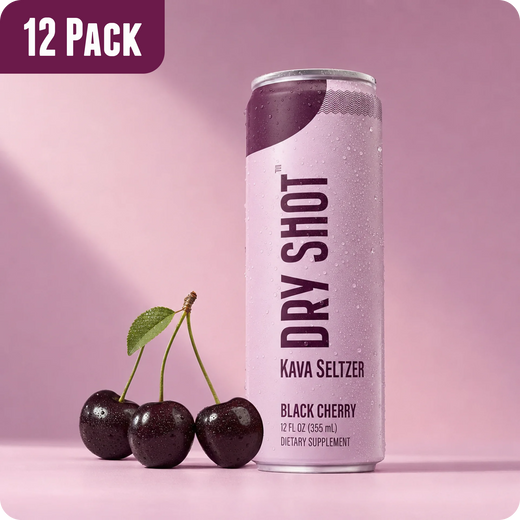
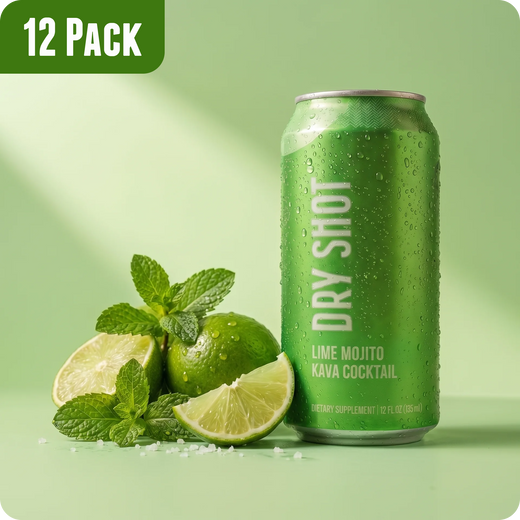
Dry Shot offers lab-tested kava drinks made from noble kava varieties using water-based extraction—the preparation method the research suggests is safest. For more on what kava does in the body, see our guide on what kava does.