
















Kava Side Effects: What to Watch For and How to Drink Safely
TL;DR: Kava is safe for most healthy adults when consumed responsibly. The common side effects are mild and temporary — nausea, drowsiness, and headache. The serious risks (liver toxicity) are rare and almost always tied to pre-existing liver conditions, heavy alcohol use, or cheap extracts using the wrong part of the plant. Here is what the research actually says, who should skip kava, and how to drink it without problems.
Common Kava Side Effects (Mild and Temporary)
These are the side effects most people actually experience. They are mild, short-lived, and usually dose-dependent — meaning they go away when you drink less.
- Nausea or stomach upset — The most common complaint, especially on an empty stomach or with high doses. Drinking kava with food or starting with a smaller serving usually fixes this.
- Drowsiness — Kava relaxes you. That is the point. But if you are not expecting it, the sedative effect can feel heavier than intended. Start with a moderate dose and see how your body responds.
- Headache — Usually from dehydration. Kava is a diuretic, so drink water alongside it.
- Mild numbness in the mouth and throat — This is normal and expected. Kava contains kavalactones that temporarily numb the mucous membranes. It fades within minutes and is not a safety concern.
- Dizziness — More common at higher doses or when combined with alcohol. Stick to kava alone, especially if you are new to it.
A UCLA Health review noted that in clinical trials, side effects included nausea, stomach aches, drowsiness, and headaches — and no liver toxicity was reported in the trial participants.
Rare but Serious: Liver Toxicity
This is the one everyone asks about. Here is the unvarnished version:
In the early 2000s, kava was linked to cases of severe liver injury in Western countries. Several European regulators restricted or banned kava supplements. But the picture is more nuanced than "kava destroys your liver."
According to the NCCIH (National Center for Complementary and Integrative Health), the reported cases of liver injury were rare and primarily involved kava extracts and supplements — not traditional kava root prepared as a drink. Key factors:
- Wrong part of the plant — Traditional kava uses only the root. Some commercial extracts used the leaves and stems, which contain different compounds and are not consumed in traditional kava-drinking cultures.
- Extracts vs. whole root — Concentrated extracts deliver much higher doses of kavalactones than traditional preparation, increasing the risk profile.
- Pre-existing liver conditions — Many of the reported cases involved people with existing liver issues or who were taking medications that stress the liver.
- Alcohol combination — Several cases involved people drinking kava alongside alcohol, which compounds liver strain.
The CDC noted that poison control calls involving kava have risen — from 57 in 2011 to over 200 in 2025. However, a significant portion of these calls (about 30% in 2025) involved combined use with kratom, not kava alone. This is an important distinction: the rising call volume reflects growing kava popularity and combination use, not necessarily that kava itself has become more dangerous.
Who Should Not Drink Kava
Based on guidance from the NCCIH, WebMD, and clinical literature, the following groups should avoid kava:
- People with liver disease or a history of liver problems — Kava depletes glutathione (a key liver antioxidant) and can stress liver function. If your liver is already compromised, kava is not worth the risk.
- Pregnant or breastfeeding women — There is not enough safety data for these populations. Avoid kava during pregnancy and nursing.
- Anyone taking medications metabolized by the liver — Kava inhibits cytochrome P450 enzymes, which means it can interact with a wide range of prescription drugs. If you take medications regularly, talk to your doctor before trying kava.
- People taking sedatives or anti-anxiety medication — Kava has sedative properties. Combining it with benzodiazepines, barbiturates, or other CNS depressants amplifies the effect and can be dangerous.
- People scheduled for surgery — Kava's sedative effects can interact with anesthesia. Stop kava at least 2 weeks before any scheduled surgery.
Kava and Alcohol: Do Not Mix
This is the most important safety rule: do not combine kava and alcohol. Both are processed by the liver, and the combination significantly increases the risk of liver strain and amplified sedation. If you are drinking kava as an alcohol alternative (which is the whole point), then this should not be an issue — you are replacing alcohol, not adding to it.
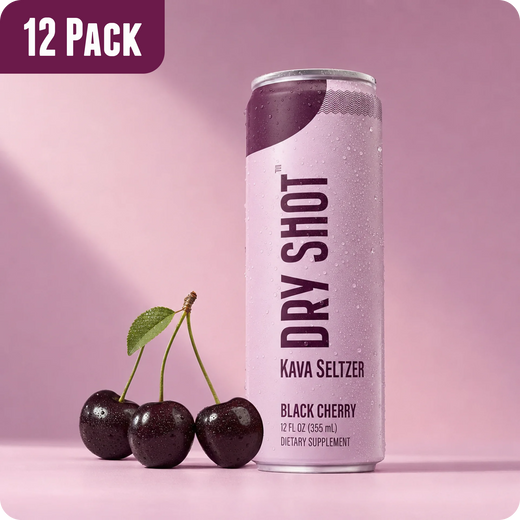
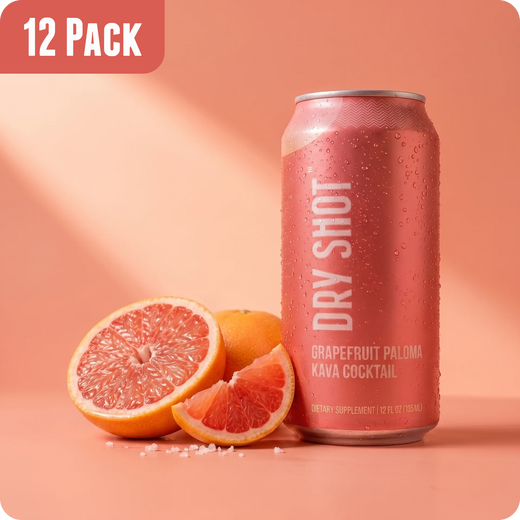
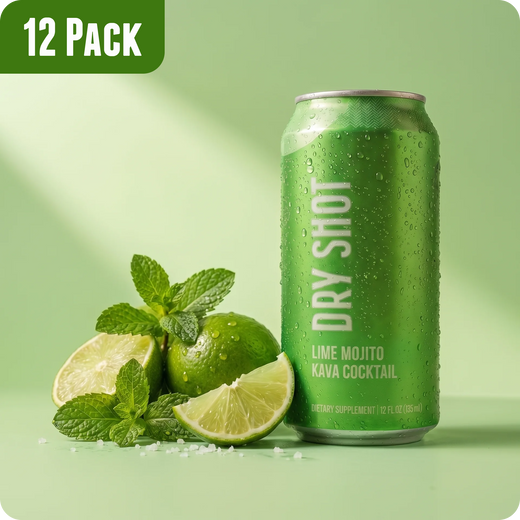
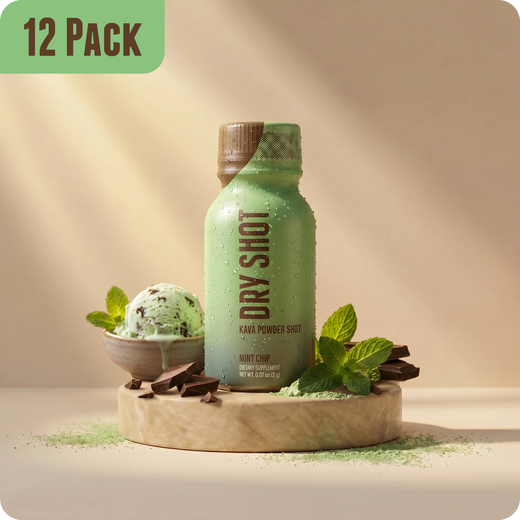
This is one of the reasons Dry Shot exists. Our kava drink mixes are designed to give you the social buzz and relaxation you want from alcohol — without the liver strain, without the hangover, and without mixing two substances that should not be combined.
Long-Term Effects of Heavy Kava Use
In traditional kava-drinking cultures (Fiji, Vanuatu, Tonga), people consume kava daily for decades. Research on these populations shows:
- Dry, scaly skin (dermopathy) — The most well-documented long-term effect of heavy kava use. It is reversible when kava consumption is reduced or stopped.
- Weight loss or reduced appetite — Common with heavy daily use.
- Tolerance — Regular users may need more kava to achieve the same effects over time.
- No confirmed liver damage in traditional use — Studies of Pacific Island populations who drink traditional kava root preparations have not shown the liver toxicity seen in Western supplement cases. This supports the theory that the liver issues were tied to extracts, wrong plant parts, or drug interactions — not traditional kava root.
How to Drink Kava Safely
If you are a healthy adult, kava is low-risk when you follow a few basic rules:
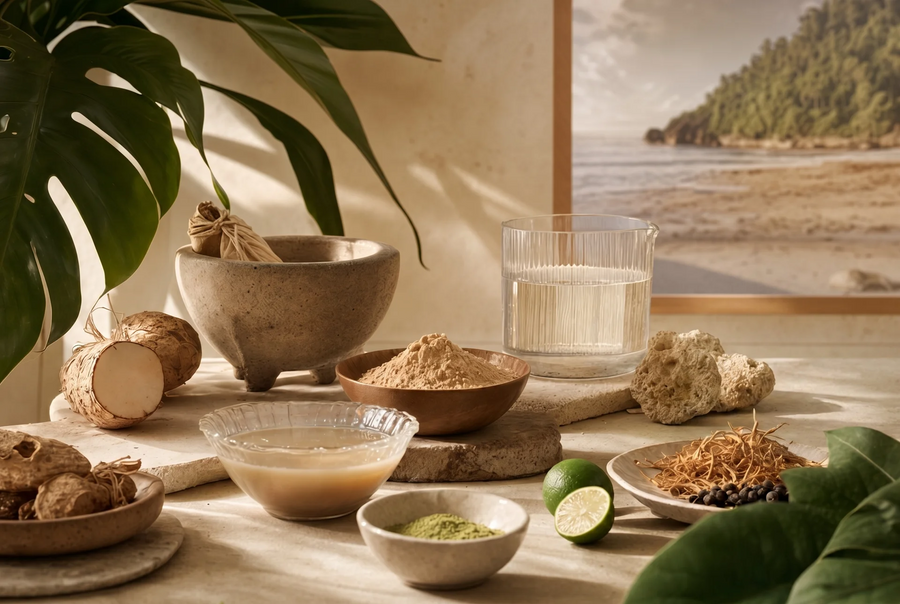
- Use root-only kava. Avoid products that use leaves or stems. Look for brands that specify "noble kava root" and provide certificates of analysis.
- Start low. If you are new to kava, start with a moderate serving and see how you feel. You can always drink more — you cannot undo what you already drank.
- Do not mix with alcohol or sedatives. This is non-negotiable for liver safety.
- Take breaks. Kava is not meant to be consumed all day, every day. Give your body rest days between sessions.
- Drink water. Kava is a diuretic. Stay hydrated to avoid headaches.
- Buy from reputable brands. Quality control matters. Cheap kava products may contain the wrong plant parts or contaminants. Dry Shot uses only noble kava root with certificates of analysis — shop our kava drinks.
What Dry Shot Does Differently
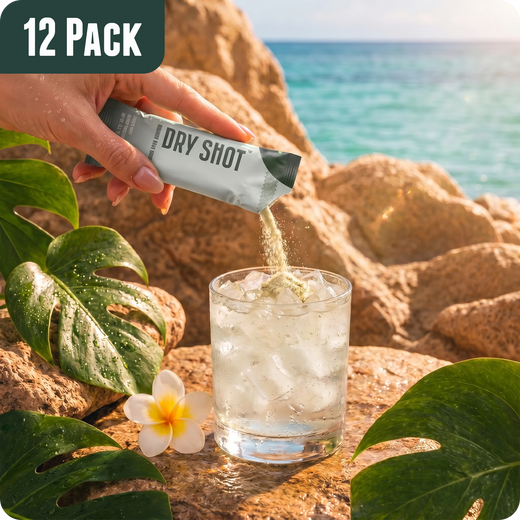
Most kava products on the market have two problems: they taste like mud, and the quality is inconsistent. Dry Shot solves both. Our proprietary powder technology blocks the muddy, earthy taste that traditional kava is known for — so you get the social buzz and relaxation without the bitter, dirty flavor. Every batch is tested for heavy metals and purity. We use only noble kava root.
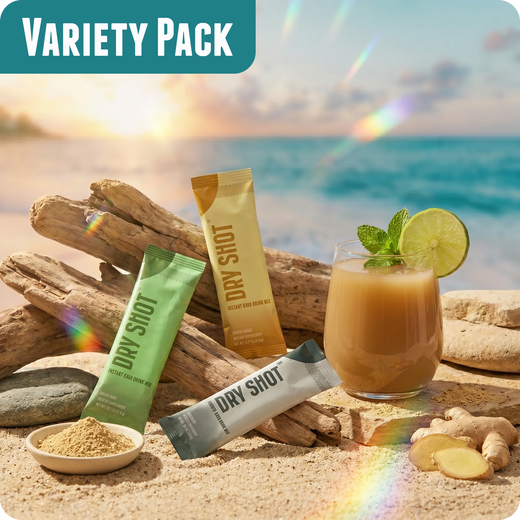
If you want to try kava for the first time, our variety pack lets you taste multiple flavors and find the one that works for you — without committing to a full-size product you might not love.
The Bottom Line on Kava Side Effects
Kava is not risk-free, but it is far safer than alcohol — which kills over 178,000 Americans per year. The common side effects are mild and manageable. The serious risks are rare and largely preventable by using root-only kava, avoiding alcohol and sedative combinations, and buying from brands that test their products.
If you have liver issues, are pregnant, or take medications processed by the liver, talk to your doctor before trying kava. For everyone else, kava is a legitimate, effective alcohol alternative — and with Dry Shot, it actually tastes good.
Keep Reading
- What Is Kava? The Complete Guide to Kava Drinks & Effects
- What Does Kava Do? Effects, Benefits & What to Expect
- What Is a Kava Drink? Everything You Need to Know
- Kava vs Alcohol: What Actually Happens When You Make the Change
- Why Does Traditional Kava Taste Like Mud — And How to Fix It
- Best Kava Drink: What to Look For and Which Ones Actually Deliver
- Where Can I Buy a Kava Drink? Your Complete Guide to Finding Good Kava
- Does Kava Give You a Hangover? The Honest Answer
- Kava vs. Ashwagandha: Effects, Onset, and Which One You Actually Need
- Is Kava Safe? What the Research Actually Says
- Kava Benefits: What Science Says About Kava's Effects
- What Does Kava Feel Like? The Actual Experience Start to Finish
- Kava Seltzer: What It Is and How It Works
- Kava Shot: What It Is and Where to Get the Good Ones
- Sober Curious? Kava Drinks Are the Social Buzz Without the Alcohol
- What Bartenders Need To Know About Kava
- Shop All Kava Drinks