












Kava Shortage in Vanuatu Drives Record Prices and Theft as Export Demand Strains Local Supply
TL;DR: A kava shortage in Vanuatu has pushed dried kava prices to VT4,600 per kilogram (roughly $38 USD) on the outer islands, with green kava hitting VT1,500 per kilogram in Port Vila. Kava bar owners are raising drink prices, reporting theft, and rationing supply as rough weather disrupts shipments. The shortage stems from limited farmer supply and surging export demand, exposing structural fragility in the Pacific's $2-3 billion kava economy.
A kava shortage has gripped Vanuatu in late June 2026, driving prices to record levels and sparking theft at kava bars in Port Vila. The Vanuatu Daily Post reported on June 26 that the shortage stems from limited kava plant supply from farmers and increased demand for dried kava for export.
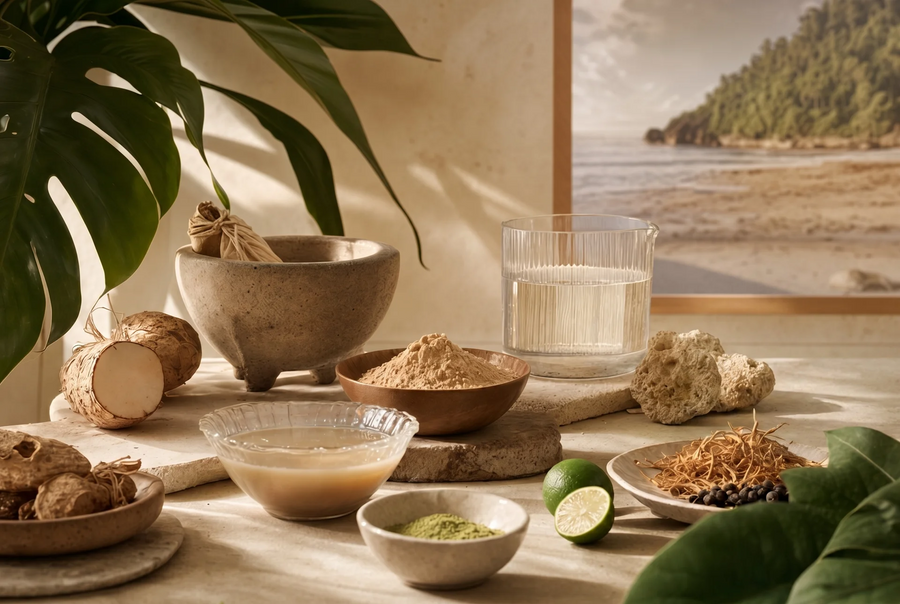
The price of dried kava on the outer islands has risen to VT4,600 per kilogram (approximately $38 USD). A farmer from Pentecost told the Daily Post that more growers are now focusing on drying kava for export unless local buyers in Port Vila pay around VT1,000 per kilogram. Green kava for local consumption is selling between VT500 and VT700 per kilogram on the islands, but in Port Vila the price has jumped to VT1,500 per kilogram.
Kava bars raising prices, rationing supply
The shortage has hit kava bars hard. About 20 bags of kava arrived in Port Vila on June 25 but sold out in less than an hour, with insufficient supply for kava bar owners purchasing small quantities.
Sylverio Molkis, owner of a kava bar in Beverly Hills, a Port Vila neighborhood, said he has been paying VT1,500 per kilogram at the Anamburu Kava Market and is now selling 1.5 liters for VT2,000 — up from his previous price of VT1,500. Wanareng Kava Bar in Bladiniere, which previously sold 1.5 liters for VT600, confirmed it raised its price to VT700 due to shortages and higher purchase prices from the islands.
Molkis said a vessel was expected to arrive in Port Vila on Friday carrying kava from Santo, Vanuatu's largest island, but it would not be enough to meet demand from kava bars. Most commercial vessels remain in Port Vila due to rough weather, and shortages are expected to continue into the following week if conditions do not improve.
Theft on the rise
"The price of green kava is now VT1,500 in Port Vila. It is not possible for families to sell just 3kg to buy bread and butter the next day. The high price will encourage stealing," said a kava bar owner quoted by the Daily Post. The owner called on the government to address the shortage through implementation of its policy targeting 10 million kava plants by 2030 and to support mechanized planting.
Why the shortage matters beyond Vanuatu
Vanuatu is one of the world's largest kava exporters, alongside Fiji. In 2023, Fiji exported $17.1 million worth of kava and Vanuatu exported $34.4 million, according to the Center for Strategic and International Studies (CSIS). The global kava market was valued between $2.2 billion and $3 billion in 2025. The Pacific Islands Forum launched its 2024-2028 Regional Kava Development Strategy to strengthen local kava value chains and promote exports.
But the supply chain is fragile. Kava takes 3 to 5 years to mature, meaning shortages cannot be resolved quickly. The current crisis exposes a structural tension: export demand, particularly from the United States, pulls kava out of local Pacific Island markets, while farmers gravitate toward the higher-paying export channel. A farmer from Pentecost told the Daily Post that growers are choosing to dry kava for export unless local buyers match or approach export prices.
The United States is home to more than 350 kava bars, according to CSIS. American consumers buying kava-based products — from traditional root to instant drink mixes — are connected to this supply chain whether they know it or not. A shortage in Vanuatu that drives up raw kava prices eventually reaches US brands and consumers.
What This Means for the Kava Market
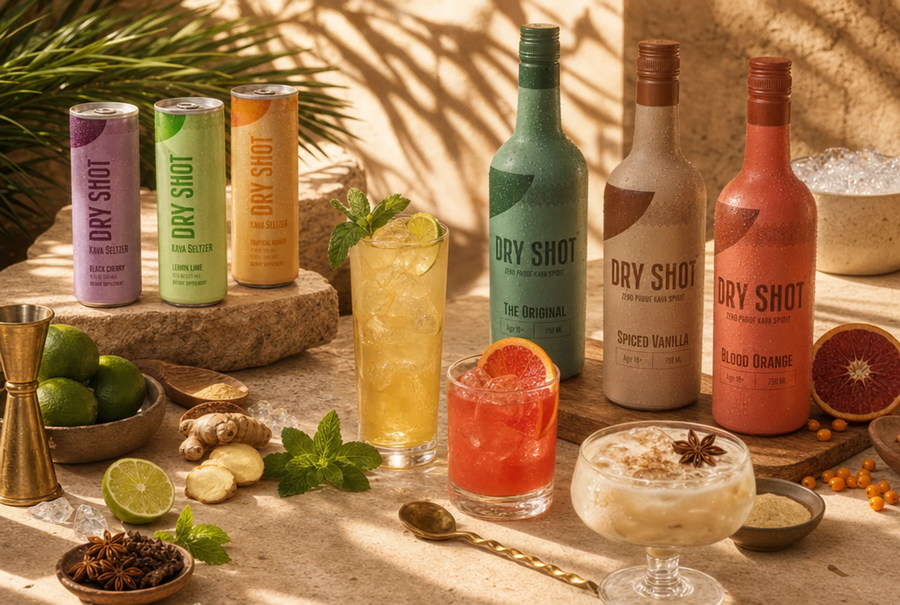
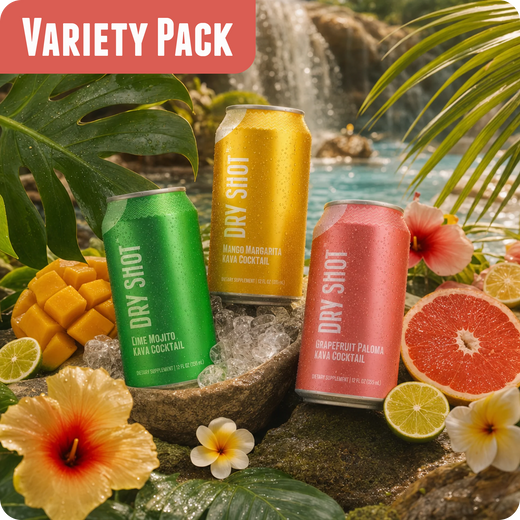
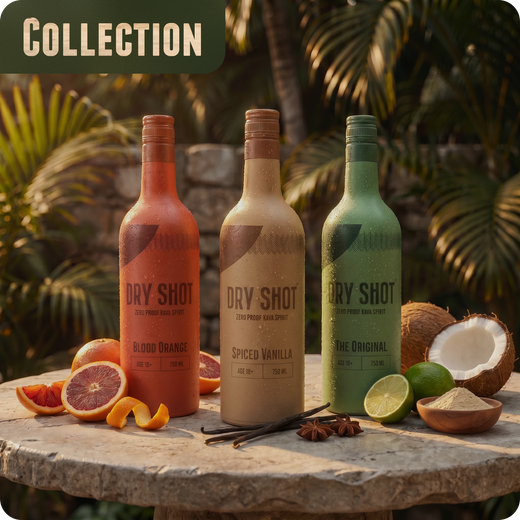
For US-based kava brands like Dry Shot, the Vanuatu shortage is a supply chain warning sign. When export demand outpaces farmer supply, raw material costs rise. Kava's 3-to-5-year growing cycle means there is no quick fix — shortages today reflect planting decisions (or failures) from years ago, and current shortages will take years to resolve even if planting ramps up now.
The Vanuatu government's 10 million kava plants by 2030 policy is a step, but it operates on a timeline that does not match the urgency of current demand. Brands that depend on kava need to think about supply security: diversified sourcing across Fiji, Vanuatu, Tonga, and other Pacific producers, as well as relationships with farmers that don't evaporate when export prices spike.
For consumers, the shortage is a reminder that kava is not just a beverage ingredient — it is an agricultural product grown by farmers in some of the world's most climate-vulnerable nations. Rough seas between Vanuatu's islands can stop the supply chain in its tracks. Read more about what kava feels like and how it reaches your cup on the Dry Shot blog.
FAQ
What is causing the kava shortage in Vanuatu? The shortage stems from limited kava plant supply from farmers and increased demand for dried kava for export. Farmers are choosing to dry kava for the export market, which pays more, leaving local buyers short. Rough weather in late June 2026 disrupted shipments from the outer islands to Port Vila, worsening the situation.
How high have kava prices risen in Vanuatu? Dried kava on the outer islands reached VT4,600 per kilogram (about $38 USD). Green kava in Port Vila hit VT1,500 per kilogram, up from VT500-700 on the islands. Kava bars in Port Vila raised drink prices: one bar went from VT1,500 to VT2,000 for 1.5 liters, another from VT600 to VT700.
How does the Vanuatu shortage affect the US kava market? Vanuatu exported $34.4 million worth of kava in 2023, making it one of the world's top exporters. The US has 350+ kava bars and a growing consumer base for kava products. Supply shortages that drive up raw kava prices eventually reach US brands and consumers through higher costs and potential supply constraints.
Sources
- Vanuatu Daily Post: Kava shortage drives high prices and theft (June 26, 2026)
- CSIS: Revitalizing U.S.-Pacific Ties Through Kava Diplomacy
- PMC: Global Perspectives on Kava — A Narrative Systematic Review
- Honolulu Civil Beat: Kava — The Pacific's Economic 'Diamond' Is Being Coveted By Competitors
- Cultural Survival: Kava, Cash, and Custom in Vanuatu
Dry Shot products are not intended to diagnose, treat, cure, or prevent any disease.