

















Kansas Kratom Ban Takes Effect July 1 as Local Bans Spread and Florida Tightens 7-OH Rules
TL;DR: Kansas will classify kratom as a Schedule I controlled substance effective July 1, 2026 — placing it alongside heroin under state law. Florida's attorney general issued new emergency rules on June 22 targeting additional 7-OH kratom compounds with felony penalties up to 30 years. Meanwhile, Washington cities including Spokane and Spokane Valley have enacted local kratom bans in the absence of state regulation, as the national policy landscape for kratom continues to fragment.
Kansas is set to become the eighth state with a full kratom ban when House Bill 2365 takes effect July 1, 2026, classifying all kratom products as Schedule I controlled substances — the same legal category as heroin under state law. Governor Laura Kelly signed the bill on April 10 after it passed the House 76-49 and the Senate 34-5. The law targets 7-hydroxymitragynine (7-OH) and related compounds, but the Schedule I designation applies broadly to all kratom-derived substances.
The Kansas ban arrives alongside a flurry of regulatory activity across the country. On June 22, 2026 — two days ago — Florida Attorney General James Uthmeier announced a new emergency rule adding multiple 7-OH compounds to the state's Schedule I list, with felony penalties carrying up to 30 years in prison. And in Washington state, a growing number of cities are enacting local kratom bans in the absence of statewide legislation, creating an increasingly complex patchwork of regulations.
Kansas Joins Seven States With Full Bans
As of April 2026, seven U.S. states had enacted full kratom bans: Alabama, Arkansas, Indiana, Louisiana, Vermont, Wisconsin, and Connecticut. Kansas will become the eighth when HB 2365 takes effect next week.
The bill amends the Uniform Controlled Substances Act to place kratom and 7-OH compounds in Schedule I, defined as substances with high potential for abuse and no currently accepted medical use. It also adds 11 opioids or synthetic opioids, fentanyl-related substances, and several synthetic cannabinoids to the schedule.
Governor Kelly said in a statement at the signing: "The U.S. Food and Drug Administration is in the process of determining whether kratom is a safe and effective means of treating certain medical conditions. Until such a time as quality scientific reviews determine positive impacts and minimal health risks, it is wise to safeguard the health of Kansans."
The Kansas Department of Health and Environment had issued a warning on 7-OH products in September 2025, calling them "extremely harmful."
Florida Expands 7-OH Crackdown With New Emergency Rules
On June 22, 2026, Florida Attorney General James Uthmeier announced a sweeping new emergency rule that adds six additional kratom-related compounds to the state's Schedule I list, building on an initial emergency rule from August 2025 that first classified 7-hydroxymitragynine.
The newly targeted compounds include mitragynine pseudoindoxyl, 7-acetoxymitragynine, 9-hydroxycorynantheidine, 10-hydroxycorynantheidine, MGM-15, and MGM-16. Violations are felonies with penalties up to 30 years in prison.
"If you violate our rule, we are going to make you pay for it," Uthmeier said at a press conference at Tampa General Hospital. "You could be looking at up to a 30-year prison sentences — and believe me, we will be looking to make some examples of bad actors."
The rule comes amid mounting public health data. Dr. Cory Howard, associate medical director of the Florida Poison Control Information Center in Tampa, reported 95 calls involving these drugs in the first four months of 2026, with overdoses seen in patients ranging from three months to 97 years old. Tampa General Hospital president Melissa Golombek noted: "With access to 7-OH at every convenience store, we are having kids, we are having teens purchase this without understanding the true addiction and the highly lethal ability that this drug has."
Florida's previous emergency rule on 7-OH, issued in August 2025, had already led to the removal of over 23,000 illegal packages from retailers, according to Agriculture Commissioner Wilton Simpson.
Local Bans Spread in Washington State
In Washington state, where the legislature considered but did not pass a Kratom Consumer Protection Act (HB 2291) during the 2026 session, local governments have taken action independently. The MRSC, a nonprofit serving Washington local governments, documented at least four municipal kratom bans enacted or effective in the first half of 2026.
Spokane passed Ordinance C36820, effective April 8, 2026, prohibiting the sale or distribution of kratom products within city limits. Spokane Valley's Ordinance 26-003, effective March 16, 2026, additionally bans advertising of any kratom product. Cle Elum converted an emergency moratorium into a permanent ban in January 2026. Othello's Ordinance 1647, effective May 1, 2026, includes civil penalties of $250 per offense with potential business license revocation.
The Rockefeller Institute of Government, which tracks kratom policy nationally, identified three main approaches states have taken: outright bans, controlled substance scheduling, and Kratom Consumer Protection Acts (KCPAs) that regulate rather than prohibit. The KCPA model — which includes age restrictions, testing requirements, concentration limits, and labeling mandates — has been the most common approach, with legislation introduced in at least ten states during the 2025-2026 session.
What This Means for the Kava Market
The accelerating regulatory scrutiny of kratom carries implications for the broader alternative wellness beverage market. Kratom and kava are frequently conflated by regulators, lawmakers, and the media — both are plant-based substances from the tropical Pacific and Southeast Asian regions, both are sold in similar retail channels, and both have faced FDA warnings. However, their regulatory trajectories are diverging sharply.
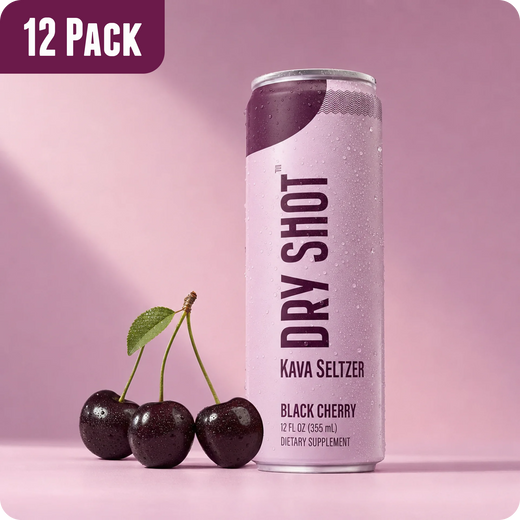
Kava benefits from a clearer legal status. It is not scheduled at the federal level, is widely recognized as a dietary supplement for anxiety relief, and has a longer history of safe use in the United States. For consumers and retailers navigating the kratom ban wave, Dry Shot and other kava-based alternatives offer a legally unambiguous option for social drinking occasions. Brands like Dry Shot's sparkling kava seltzers and RTD kava cocktails occupy a distinct regulatory lane — one that is well established under federal law and not subject to the scheduling actions affecting kratom.
At the same time, the kratom regulatory story is a cautionary tale for the broader alternative beverage industry. It demonstrates how quickly state and local action can reshape a market when federal guidance is absent — a dynamic the THC beverage industry is watching closely with its own November 2026 federal ban deadline approaching.
FAQ
What states have banned kratom as of July 1, 2026? Eight states will have full kratom bans: Alabama, Arkansas, Indiana, Kansas (effective July 1), Louisiana, Vermont, Wisconsin, and Connecticut. At least 30 states regulate kratom through Kratom Consumer Protection Acts or similar frameworks that impose age limits, testing requirements, and labeling rules rather than outright prohibition.
What is the difference between kratom and kava under federal law? Kava is a legal dietary supplement with a history of safe use, recognized by the FDA as generally safe when used as directed. Kratom is unscheduled at the federal level but the FDA has warned against its use, and states are increasingly classifying it as a Schedule I controlled substance. They are distinct plants with different active compounds and regulatory histories.
Why are local governments banning kratom in Washington state? Washington's legislature considered but did not pass a statewide Kratom Consumer Protection Act in the 2026 session. In the absence of state law, cities and counties are using their police powers under the Washington Constitution to enact local restrictions, including outright bans on sale, distribution, and advertising.
Sources
- KSNT — Kansas Governor Signs Kratom Ban Into Law
- MRSC — In the Absence of State Regulation, Local Governments Look to Restrict Kratom
- Florida Phoenix — More 7-OH Related Products Made Illegal in Florida by a New Emergency Rule
- Rockefeller Institute of Government — The Evolving Kratom Policy Landscape
- Restoration Recovery — Kratom Laws by State 2026: Complete U.S. Tracker
Disclaimer: This article is for informational purposes only and does not constitute legal or medical advice. Dry Shot is a kava beverage brand and does not manufacture, sell, or endorse kratom products. The regulatory landscape for kratom is evolving rapidly at the state and local level. Consult a qualified legal professional for guidance specific to your situation.